Microsoft Copilot Search Exposes Your Metadata Failures
Semantic retrieval improves how staff ask for information, but duplicate files, stale policies and missing ownership still corrupt the answer.

Semantic retrieval improves how staff ask for information, but duplicate files, stale policies and missing ownership still corrupt the answer.
A documentation-verified readiness process to inventory sites, repair broad access, protect records and test a role-based pilot before Copilot rollout.
Microsoft 365 Copilot respects existing permissions. That makes SharePoint oversharing easier to find, summarise and reuse. Fix permission debt before assigning seats.
Microsoft AI says its MAI models must accept shutdown, stay inside scope and keep actions legible. The promise matters. Now outside evaluators need to test it.

I have become a father to a little girl. That has changed how I see the technology I work with every day. The research on her generation is sobering: critical thinking, AI companions, explicit deepfakes and a labour market already in transition.

Microsoft launched Project Perception and MAI-Cyber-1-Flash, its first in-house cybersecurity model. Red, blue and green AI agents find, triage and fix bugs. But no independent tester got near the model before launch.
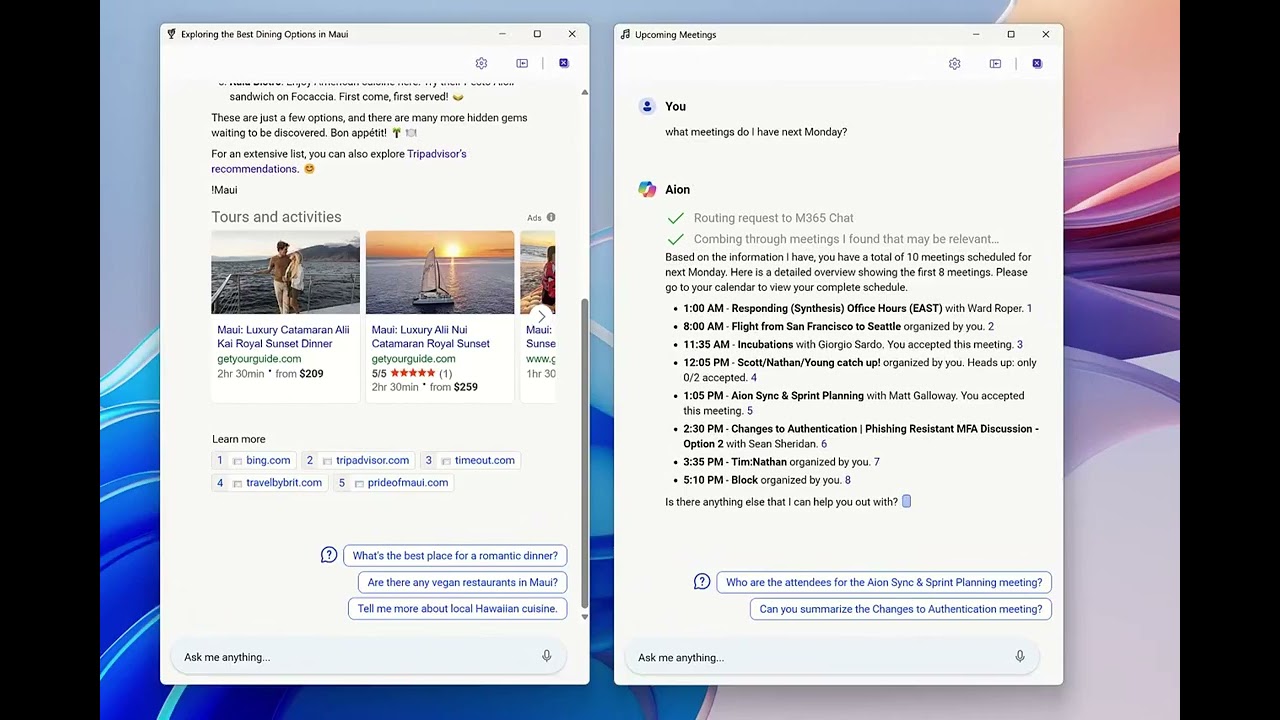
A leaked video from 2024 shows Microsoft prototyping Aion, a lightweight OS built on a stripped-down Windows codebase called Win3. The AI features got the headlines. The end of Win32 is the real story.
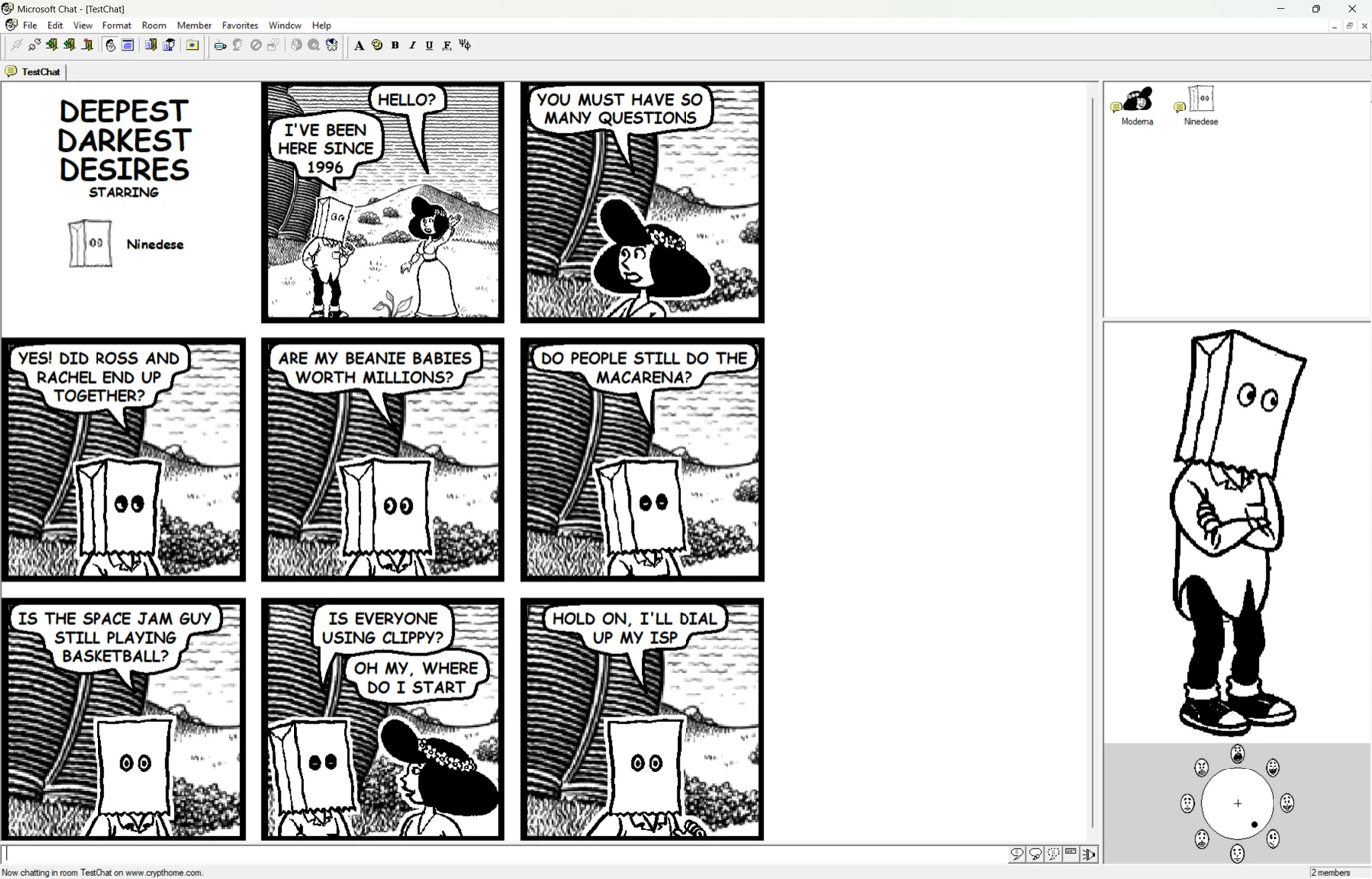
Microsoft open sourced Comic Chat, the 1996 IRC client that turned chat into comic strips and gave Comic Sans its first job. 897 GitHub stars, MIT licensed, source from v1.0 through v2.5.
Microsoft Research released Flint, a visualisation language for AI agents with 46 chart types, 3 rendering backends, and a native MCP server. Here is why it matters.
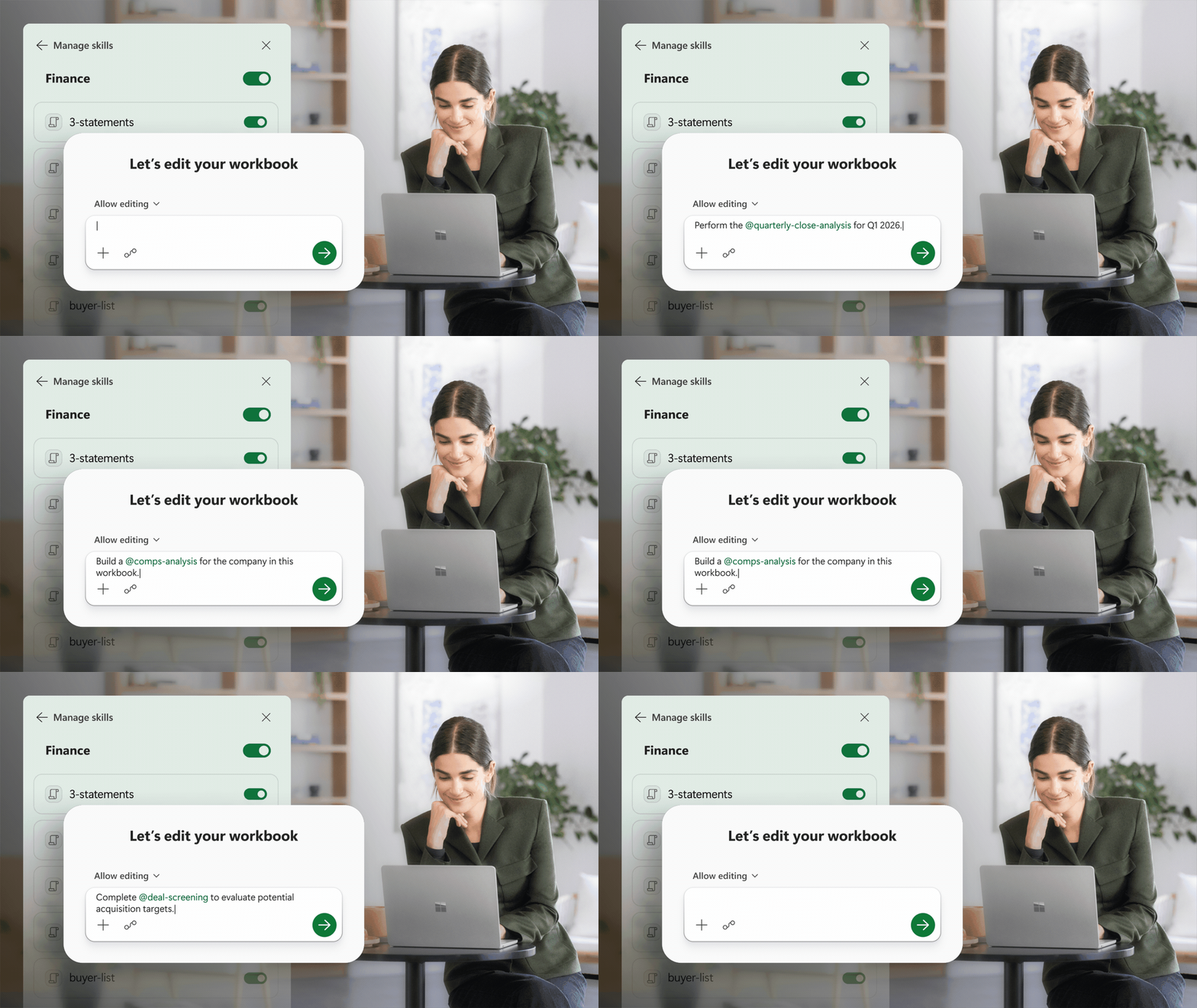
Microsoft Copilot in Excel gets custom skills, six new financial data connectors, Plan with Copilot for preview-before-execute, and Copilot attribution in Show Changes. Here is how it all works, with examples.
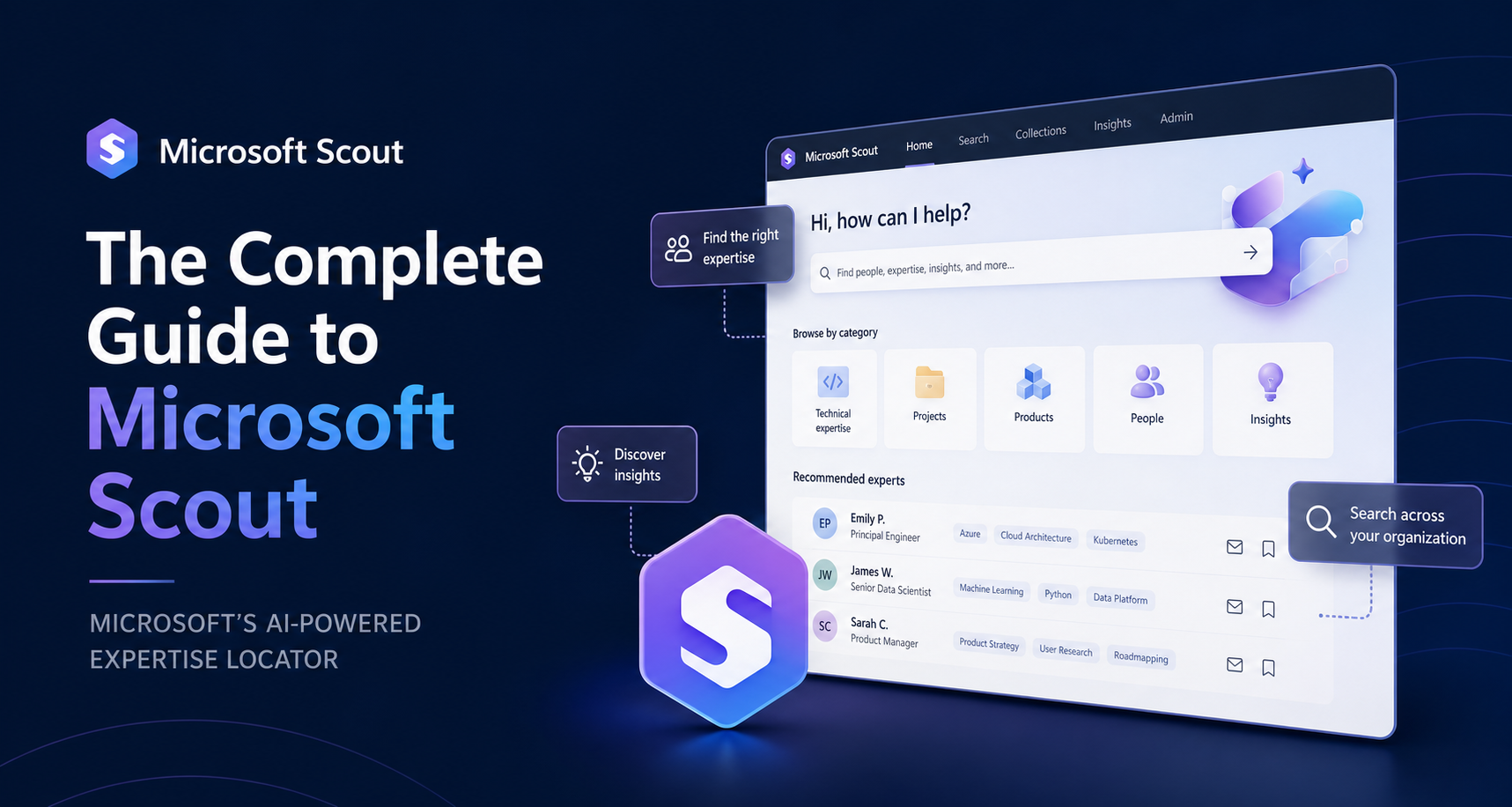
Microsoft Scout is the first Autopilot agent inside Microsoft 365. It stays on in the background, builds context about your work, and acts on your behalf. Here is everything you need to know: the Autopilot category, OpenClaw architecture, Work IQ, enterprise governance, eight example prompts, and how to get access.
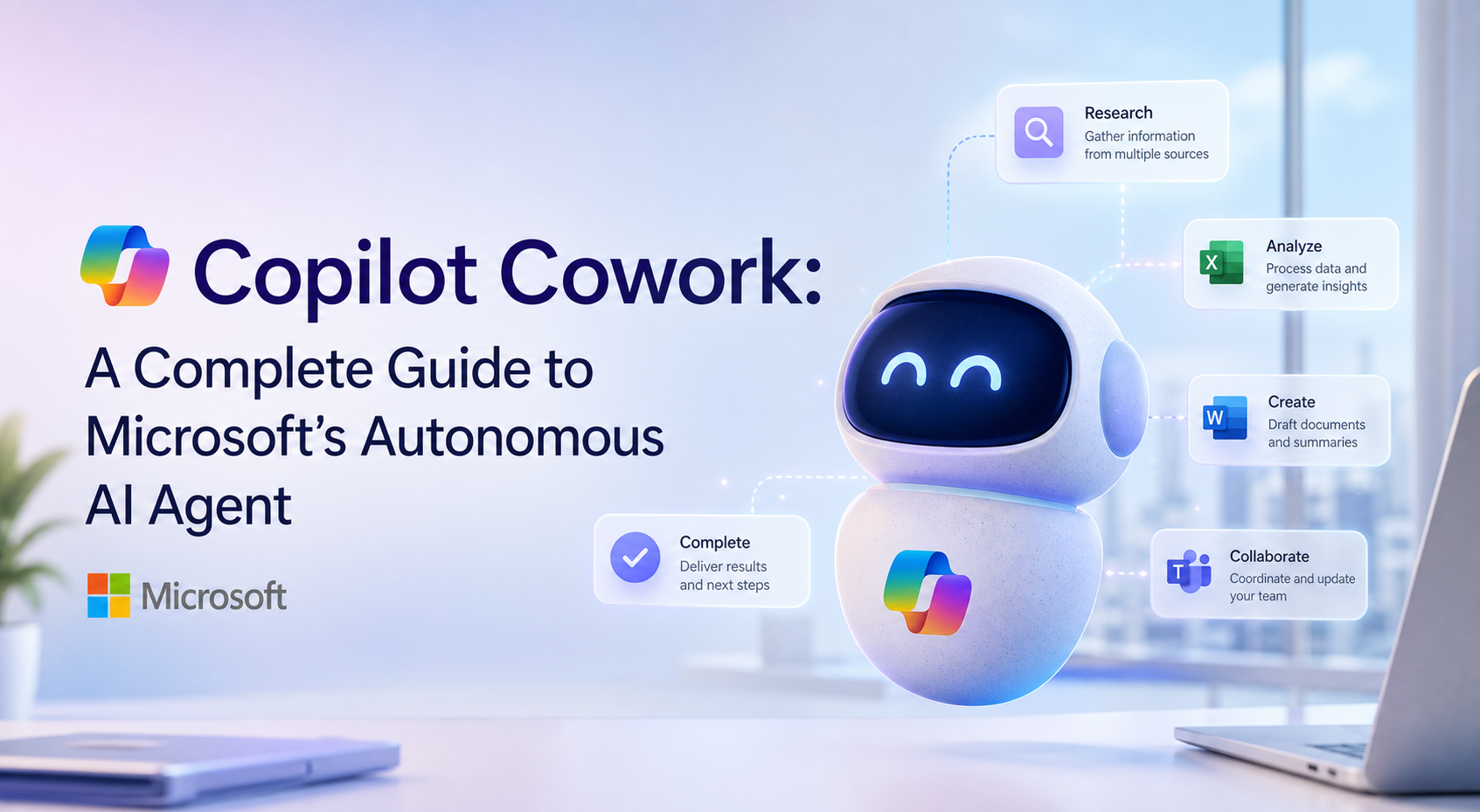
Copilot Cowork is Microsoft's autonomous AI agent that takes action across Outlook, Teams, Word, Excel, PowerPoint, and OneDrive. Here is everything you need to know: the 13 built-in skills, how custom skills work, pricing, a prompting guide, and ten real-world use cases.
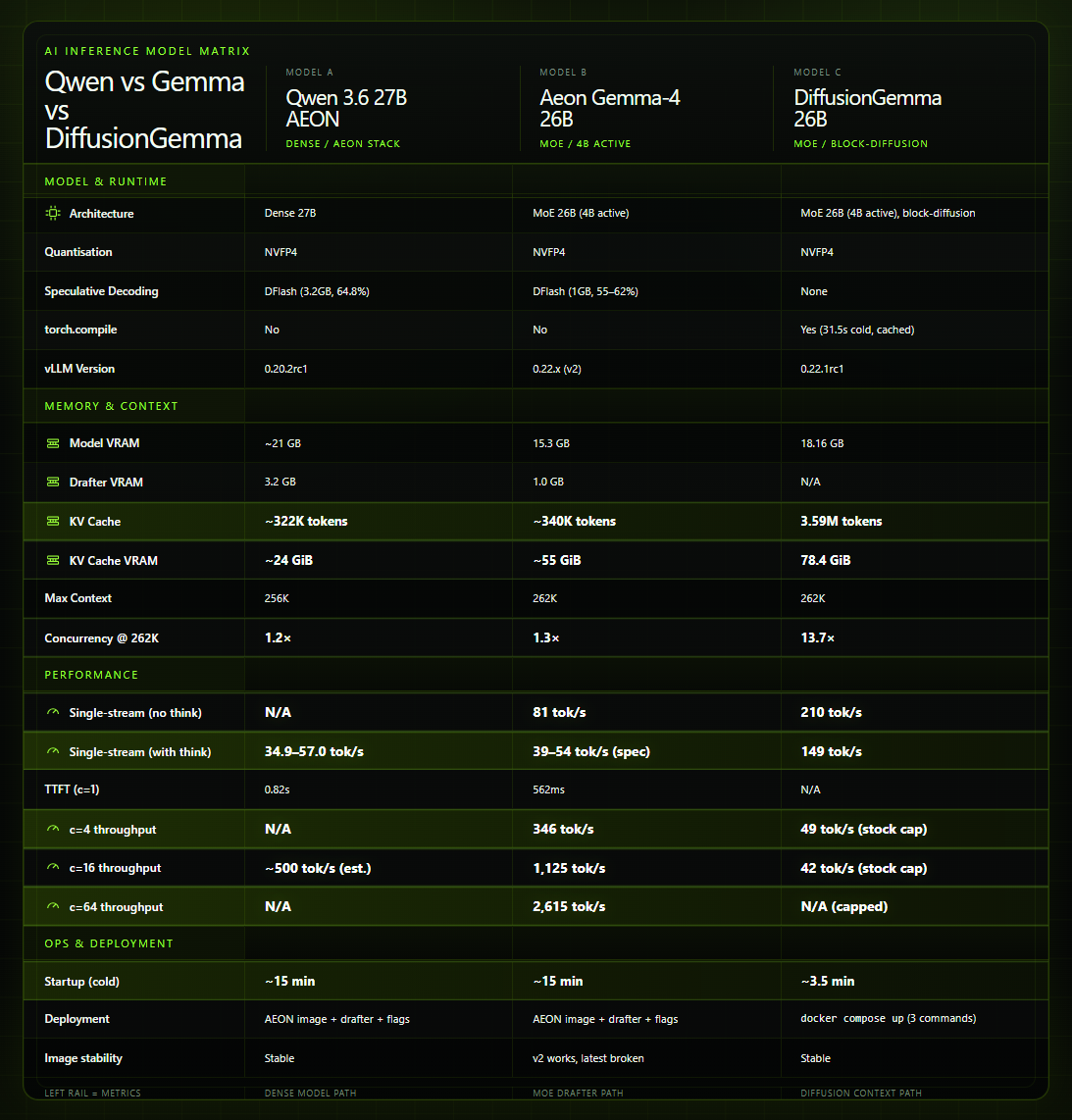
Three-way benchmark of Qwen 3.6 27B, Gemma-4 26B, and DiffusionGemma 26B on a DGX Spark. Single-stream, aggregate throughput, KV cache, and deployment comparison.
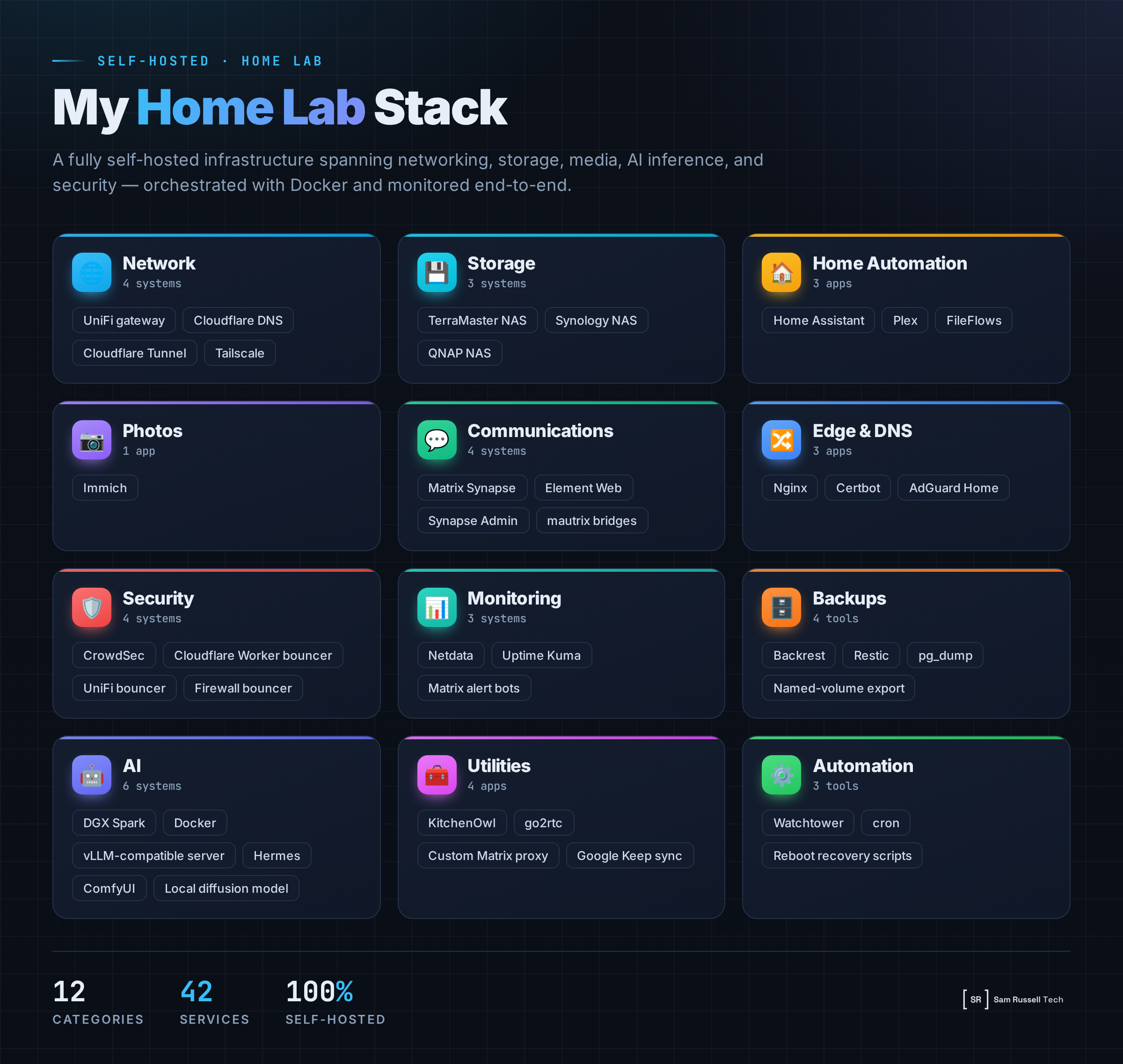
A sanitised look at how I use storage, networking, Home Assistant, monitoring, backups, security automation and local AI as one operating model.
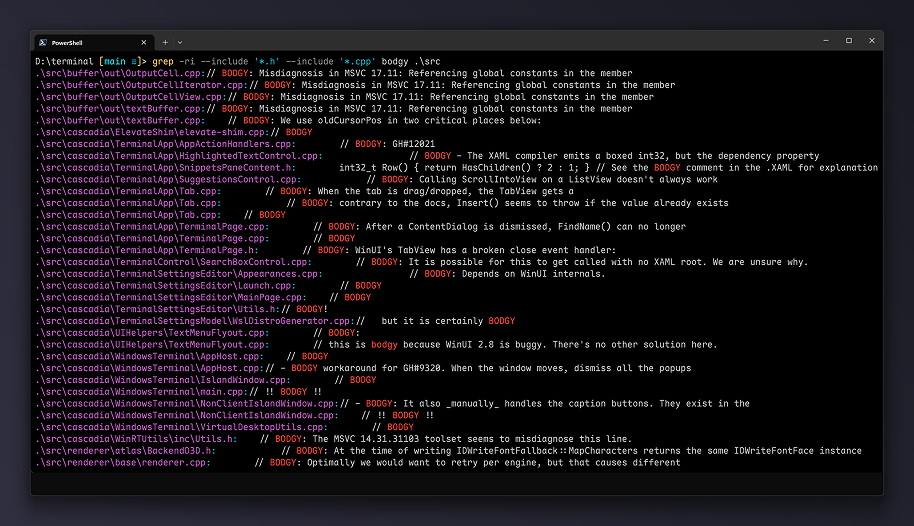
Microsoft ships a native Windows build of uutils coreutils. Over 100 UNIX tools run natively on Windows. No WSL. No translation layer. This changes daily terminal work for Windows power users.
PewDiePie's new agent is open source and creator-focused, but the real story is why a YouTuber building agent software matters at all.

Microsoft Build 2026 was the post-breakup keynote. Suleyman said it plainly: they need to prove they can build from the ground up. The reality is more complicated than the slide.

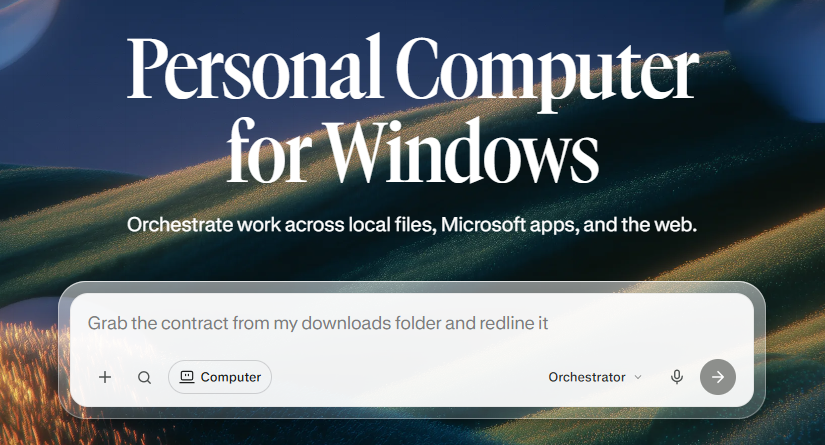
Perplexity is shipping a local Windows desktop agent. What it actually does, why the model-orchestration angle matters, and what I want to test first.
Build 2026 was not short on announcements. Microsoft covered Windows, Edge, GitHub, Azure, M365, devices, and models in one sweep. The interesting thread across all of them is governance and control.
Microsoft is consolidating GitHub Copilot, Copilot chat, Copilot Cowork and Autopilot into one super app. The idea is good. The integration is where it usually falls apart.
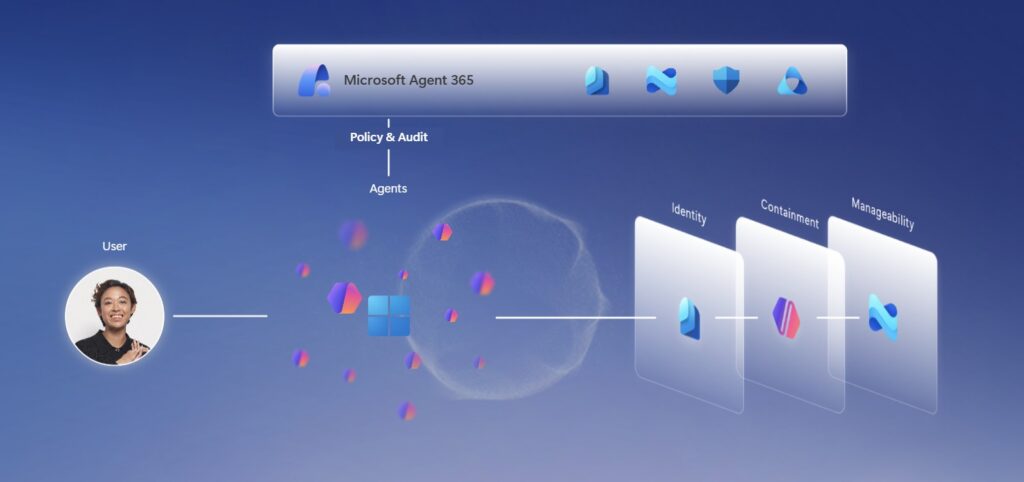
Microsoft's Agent Governance Toolkit adds deterministic policy enforcement for autonomous agents. Code-level gates, identity trails, and tamper-evident audit records.

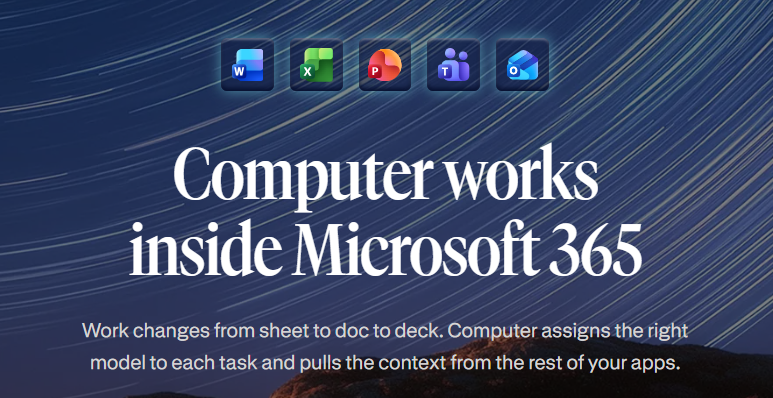
Perplexity Computer now works inside Word, Excel, PowerPoint, Outlook and Teams. No tab switching, no copy-pasting. Hands-on with the M365 integration.
Azure AI Foundry is not another chatbot wrapper. It is the agent management layer most teams actually need: tracing, evaluation, deployment, and auditability.
Build 2026 made Windows 11 the host layer for modern development. The real story is OS-enforced containment for agents, not just developer convenience.
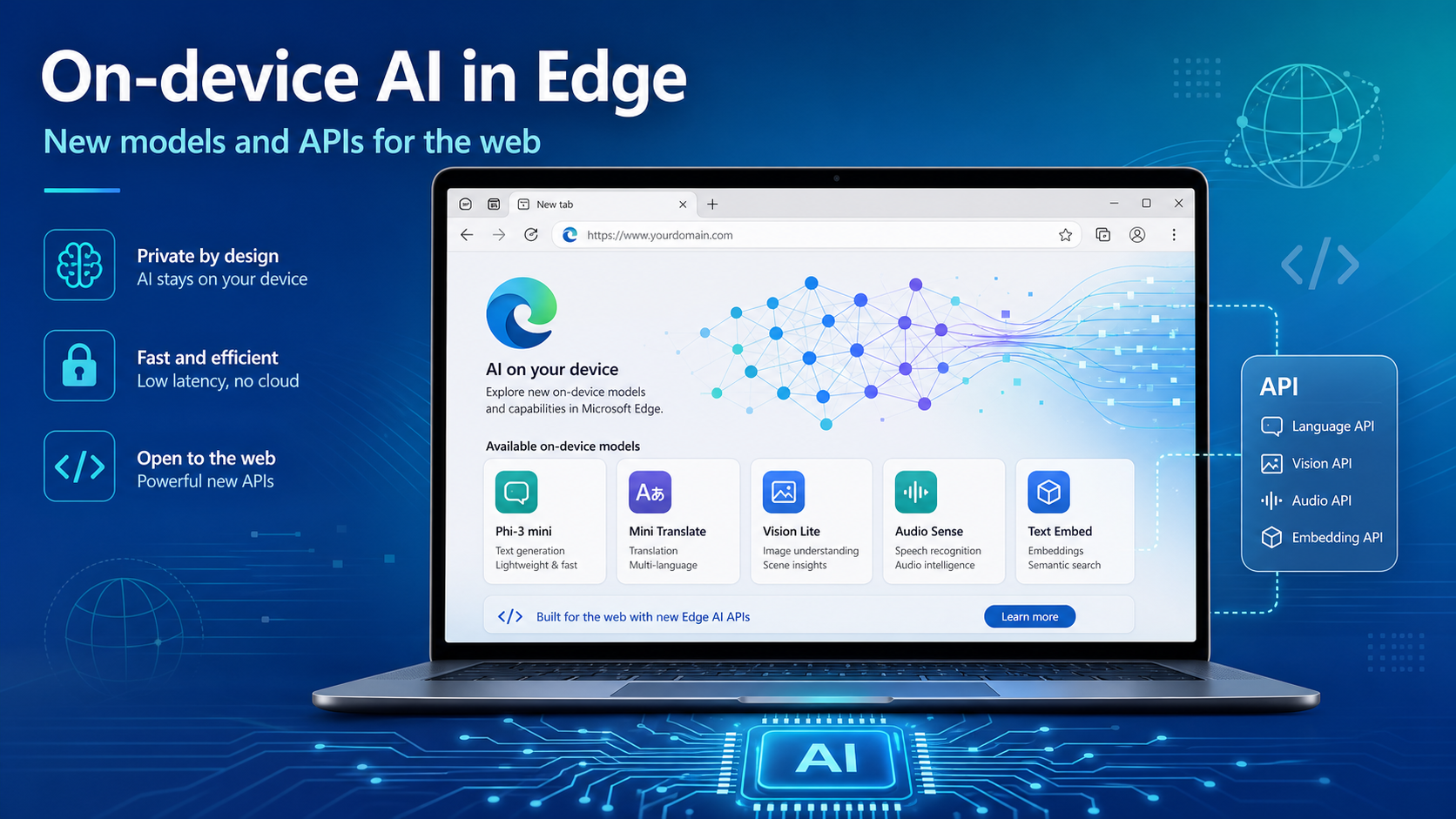
At Build 2026, Microsoft Edge added on-device AI with Aion-1.0-Instruct, language APIs, and speech recognition. The shift is local inference becoming the default for web workloads.
The GitHub Copilot app is a desktop control centre for multi-agent development. Parallel sessions, worktrees, and context from repos, issues and pull requests in one view.

Azure Discovery is now generally available. It wraps scientific and engineering workflows in governed agentic loops. The pattern applies to any team that needs auditability and evidence preservation.
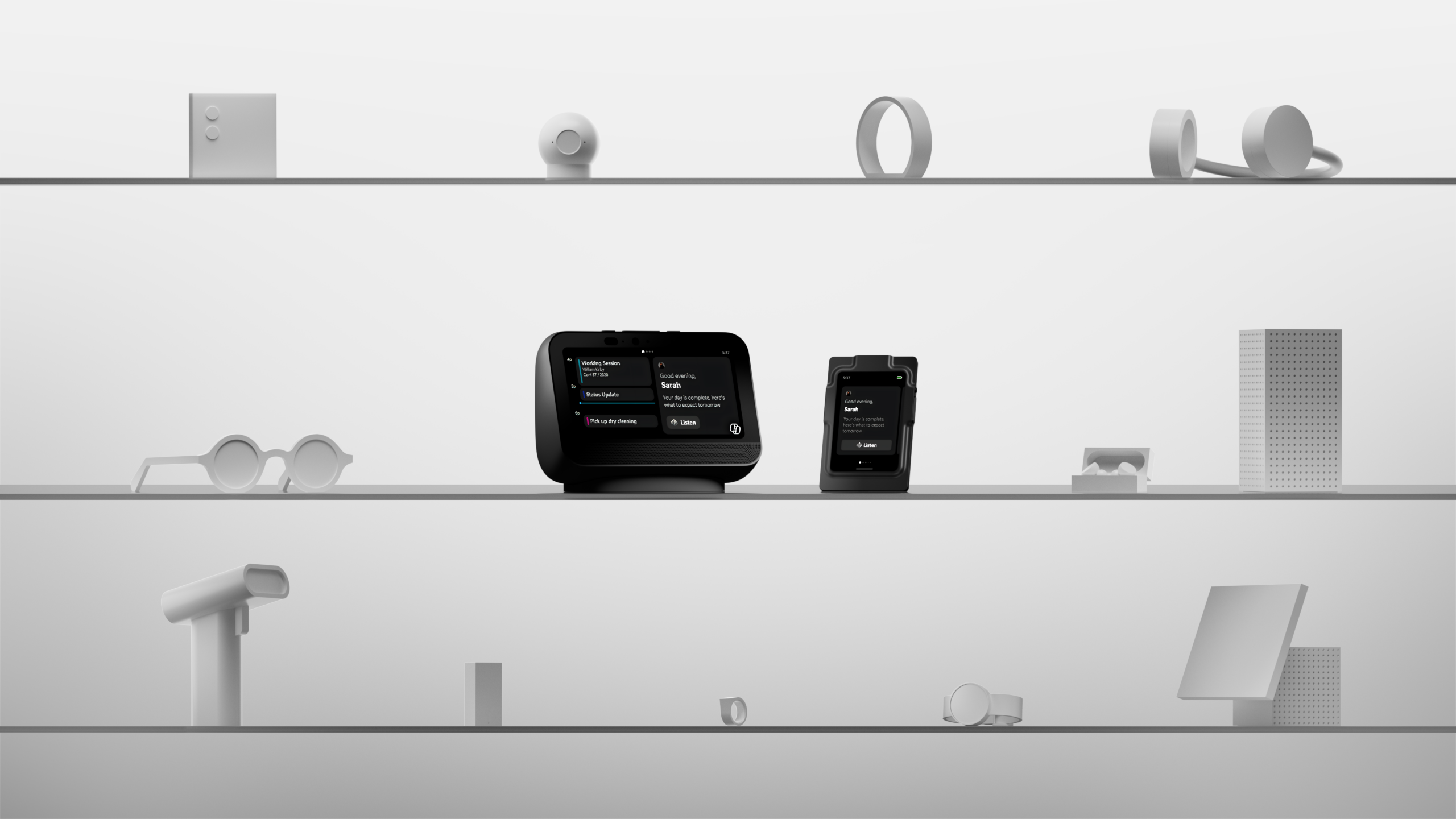
Project Solara is Microsoft's platform bet for agent-first devices. The direction is right. The execution risk is the same as every other Microsoft platform play outside Xbox and Azure.
Microsoft 365 Work IQ APIs turn collaboration data into productivity signals. The opportunity is real. The governance requirement is non-negotiable.

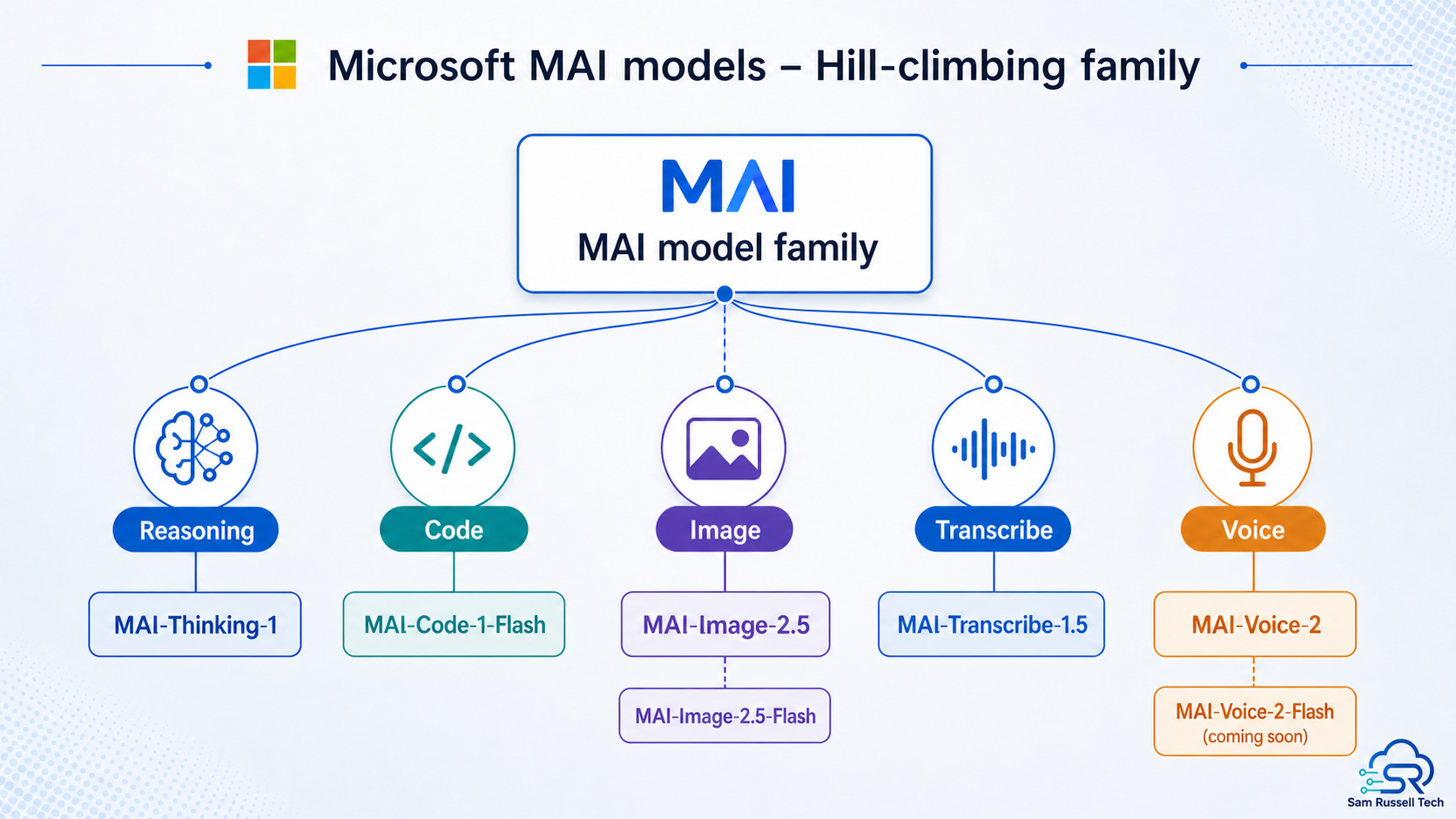
Microsoft launched seven new MAI models at Build 2026. The direction is smaller, specialised, and cheaper. The real issue is governance, not model choice.
Microsoft Scout is an always-on personal agent in M365. Ambient assistance is useful only if users and IT can control what it sees, stores, and acts on.

Microsoft Build 2026: Windows gets built-in AI agent sandboxing with MXC, OpenClaw support, and NVIDIA OpenShell. Runtime containment is the only acceptable model for enterprise agents.
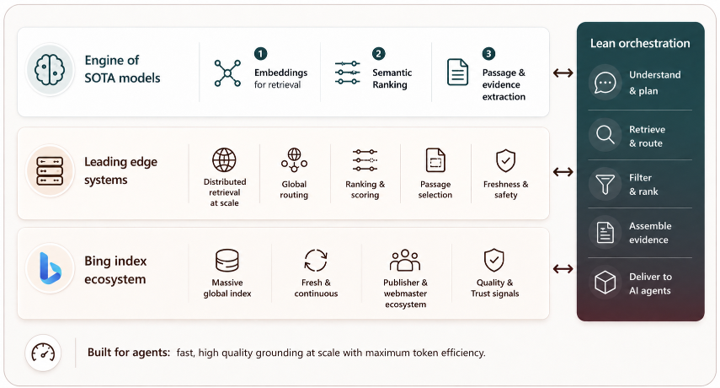
Bing Web IQ promises smarter search through task understanding. In enterprise, search quality is a compliance and IP issue. Governance is the missing layer.
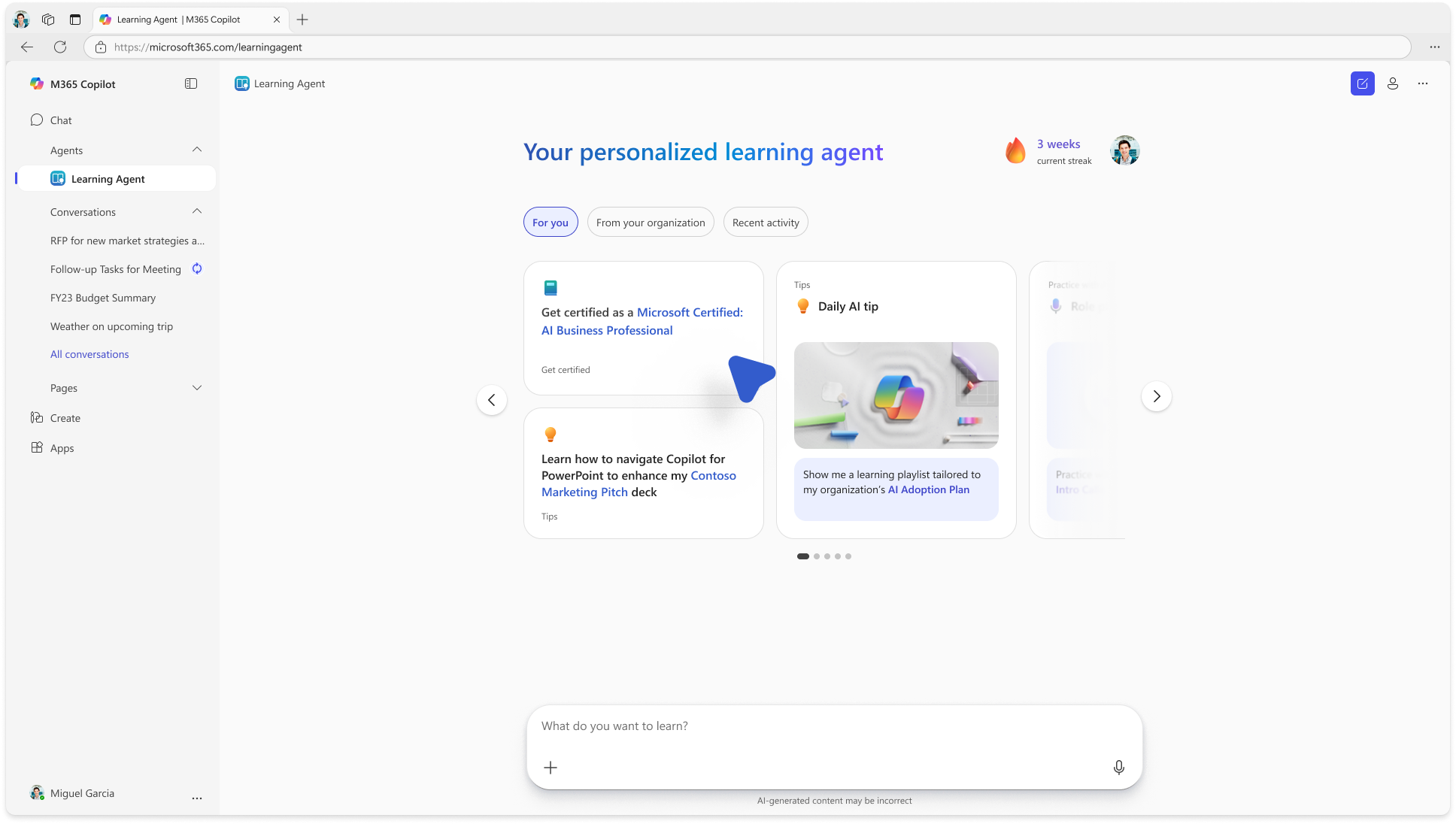
The Microsoft 365 Learning Agent is now generally available. It personalises learning inside the flow of work. The governance question is what employee signals it uses and who can see them.
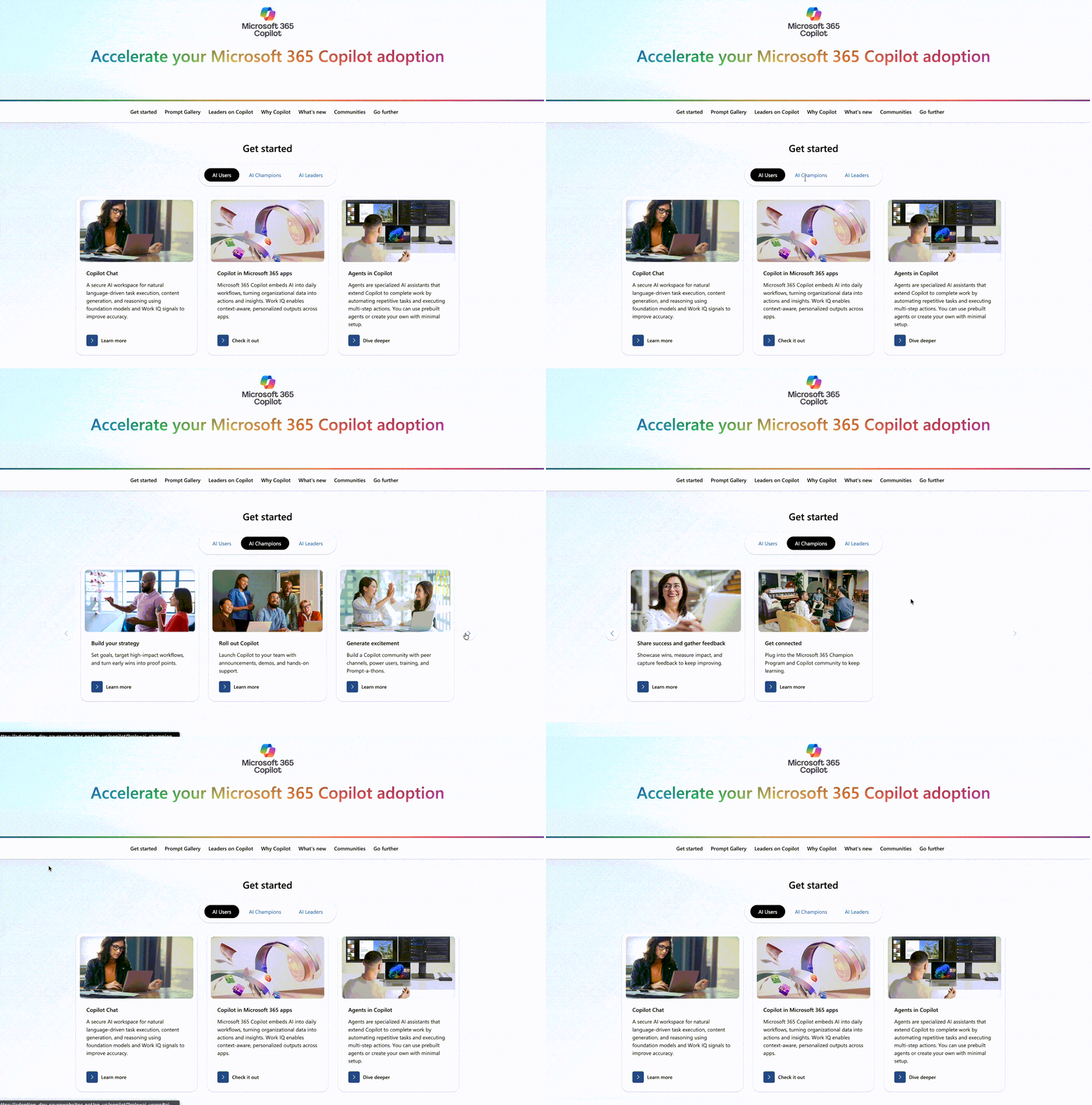
The redesigned adoption hub organises content around three roles: AI Business User, AI Champion, AI Leader. Practical prompts and examples instead of generic guidance.
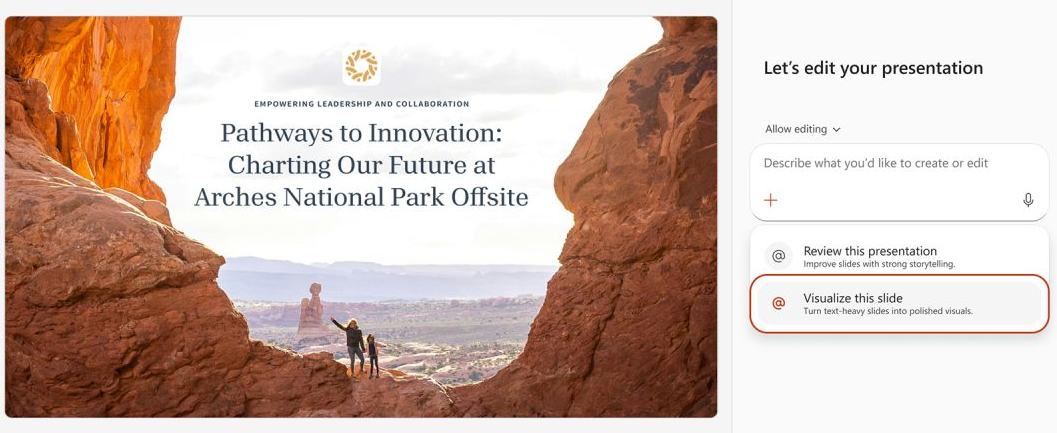
PowerPoint's new Copilot skill, Visualize this slide, converts walls of text into designed slides. Useful, but still only part of what makes a presentation work.
Microsoft open-sourced Rampart and Clarity to help teams build safer AI agents. Two tools that move safety from annual review to CI and design stage.
AI agents need governed data to be useful. Salesforce and Informatica are turning that connection into infrastructure.

Pros and Cons: Will AI automate white-collar work within 18 months? Not every job will be replaced by AI. The real advantage goes to teams that automate the right work first.
A local FastAPI proxy makes Microsoft 365 Copilot available as a model provider for any AI agent or CLI tool that already supports the OpenAI chat completions format.

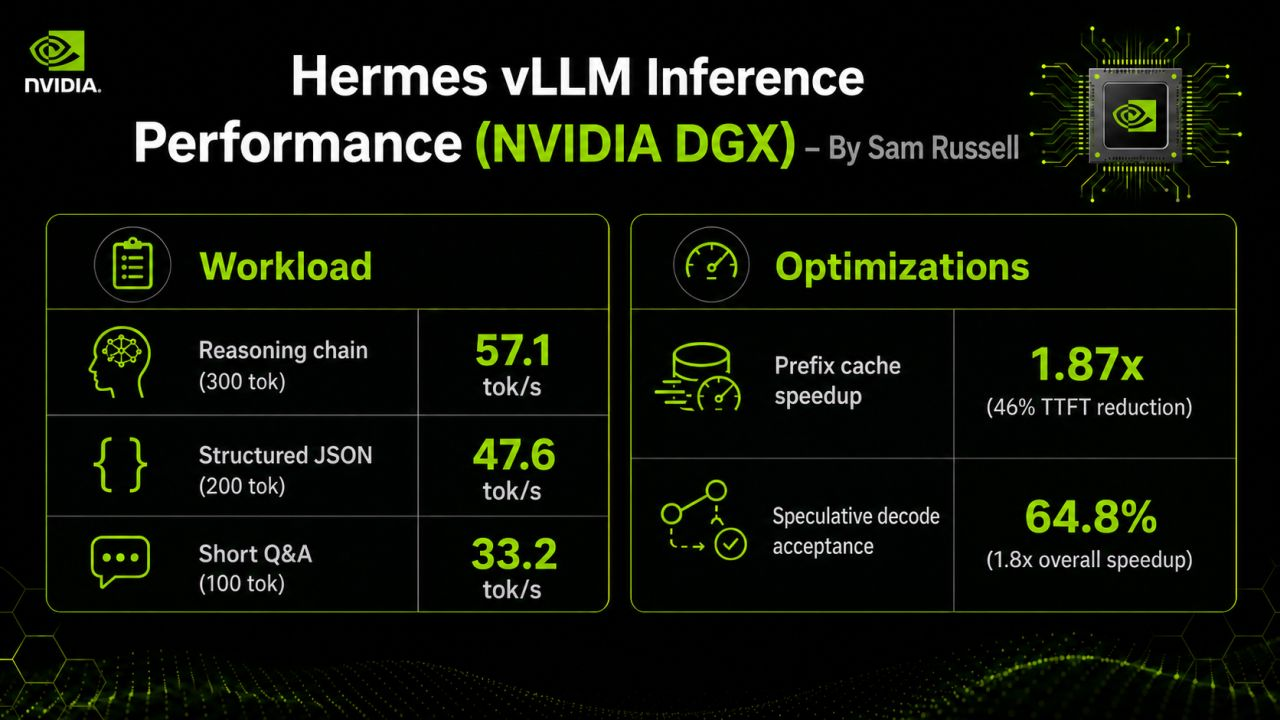
Local vLLM inference with Hermes Agent, benchmark results, and the economics of running a private LLM node on a desktop.