How to Build and Govern a SharePoint Agent
Build an agent from approved sources, test citations and permission trimming, share it with a pilot and plan its migration before the .agent format retires.
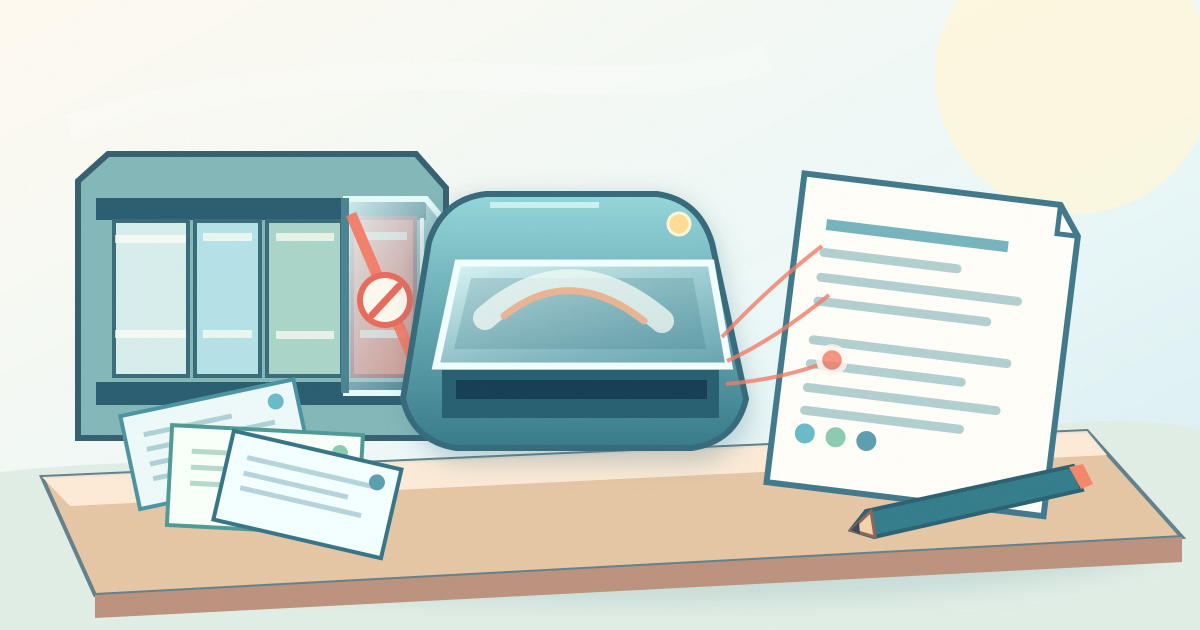

Build an agent from approved sources, test citations and permission trimming, share it with a pilot and plan its migration before the .agent format retires.
Semantic retrieval improves how staff ask for information, but duplicate files, stale policies and missing ownership still corrupt the answer.
A documentation-verified readiness process to inventory sites, repair broad access, protect records and test a role-based pilot before Copilot rollout.
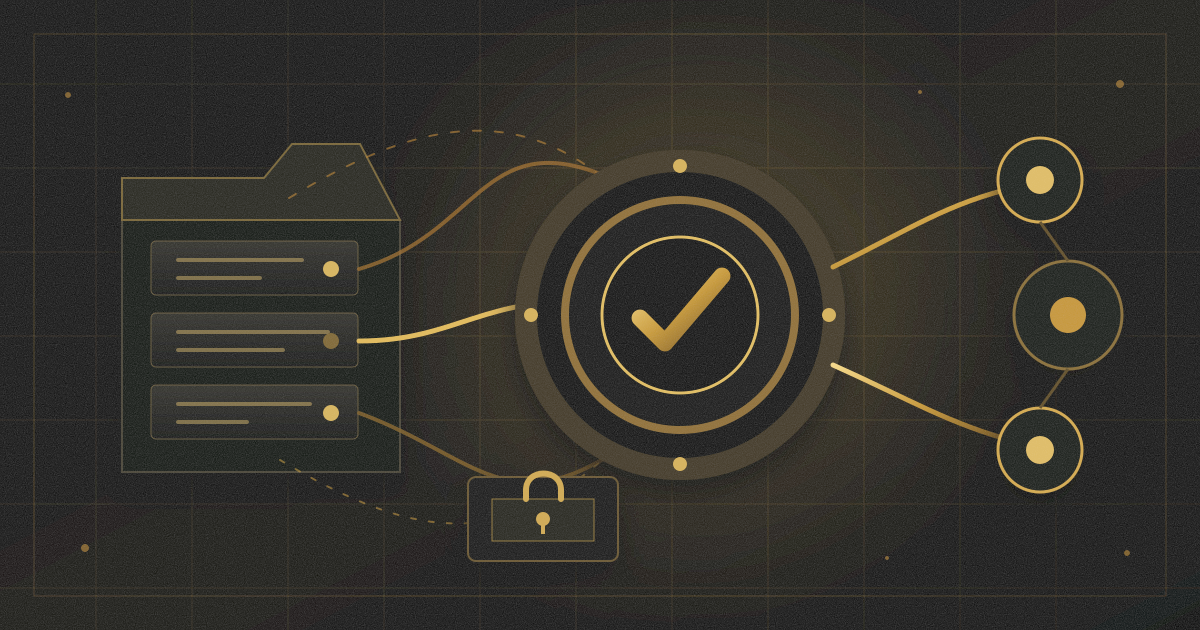
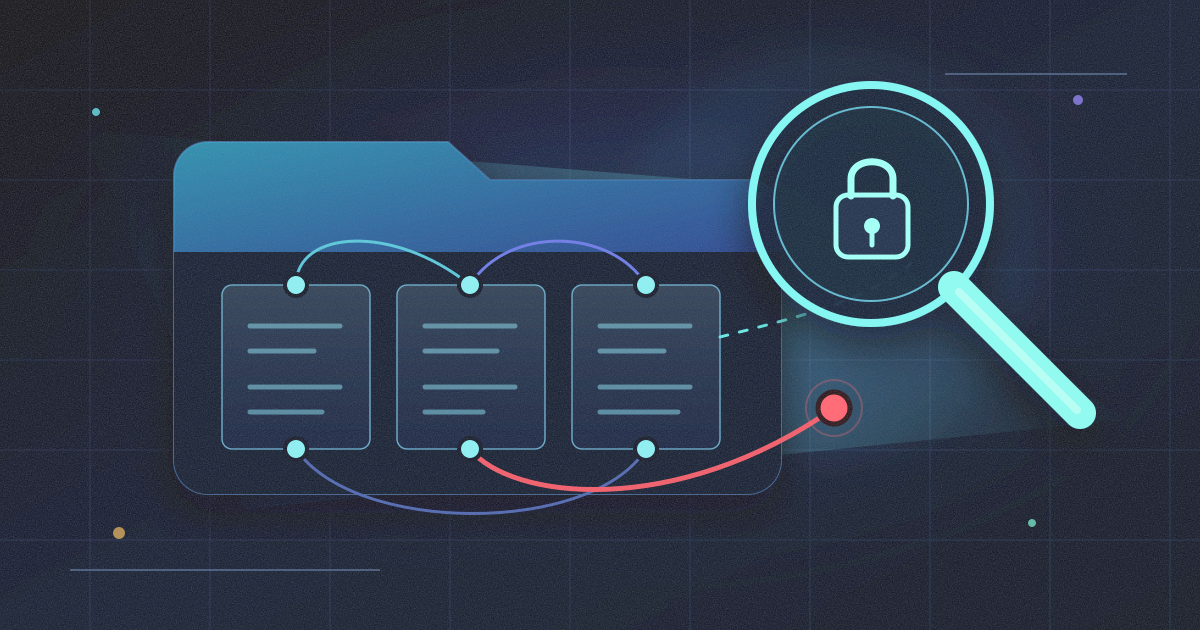
Microsoft 365 Copilot respects existing permissions. That makes SharePoint oversharing easier to find, summarise and reuse. Fix permission debt before assigning seats.
Microsoft AI says its MAI models must accept shutdown, stay inside scope and keep actions legible. The promise matters. Now outside evaluators need to test it.

Microsoft Build 2026 was the post-breakup keynote. Suleyman said it plainly: they need to prove they can build from the ground up. The reality is more complicated than the slide.

Build 2026 was not short on announcements. Microsoft covered Windows, Edge, GitHub, Azure, M365, devices, and models in one sweep. The interesting thread across all of them is governance and control.

Azure AI Foundry is not another chatbot wrapper. It is the agent management layer most teams actually need: tracing, evaluation, deployment, and auditability.
Microsoft's Agent Governance Toolkit adds deterministic policy enforcement for autonomous agents. Code-level gates, identity trails, and tamper-evident audit records.

AI agents need governed data to be useful. Salesforce and Informatica are turning that connection into infrastructure.